More about Black Oxide Coating . . .
Black Oxide Processes
Black oxide can be produced on ferrous metal using a molten salt bath operating at 600 degrees F (315 degrees C) and above, a cold black solution operating at room temperature, or a hot alkaline aqueous solution operating between 285 to 300 degrees F (140 to 148 degrees C).
The molten baths, operating at high temperatures, are difficult to control and they do not consistently produce a uniform colour. Cold black solutions tend to produce a grey finish rather than black and they can also have problems with colour consistency. Furthermore, the cold black processes do not produce a pure black oxide coating. These coatings also contain a copper selenium compound and may not meet the requirements for many of the specifications for black oxide, including automotive and military. Cold black solutions are typically more suitable for touch-up applications.
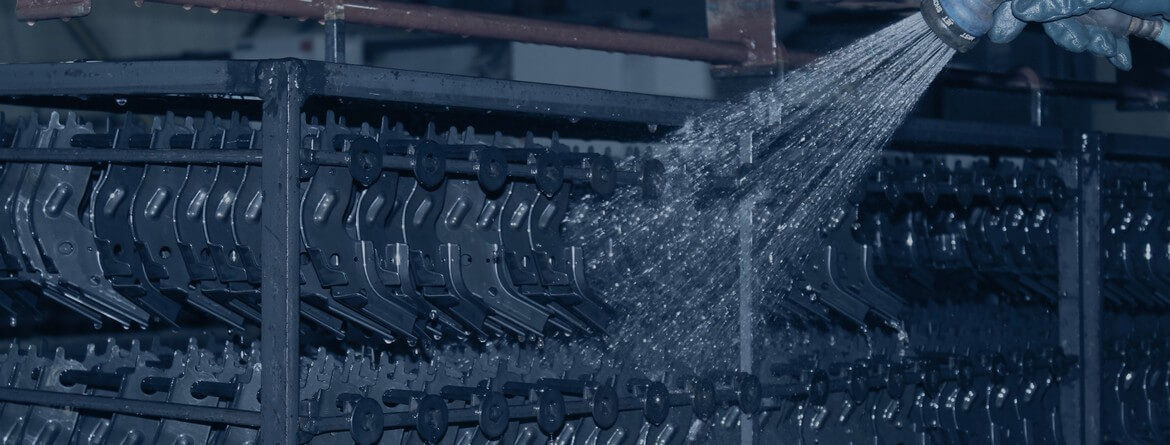
The hot alkaline aqueous black oxide solution is the most commonly used process. Several specifications even go so far as to specifically call up the hot alkaline aqueous blackening method. This process gives a deeper black finish and is much more consistent and uniform in appearance. The hot alkaline aqueous solution produces a finish which complies with all black oxide specifications, except for those rare specifications that call specifically for molten or cold black.
Dimensional Stability
One of the advantages of black oxide is that the coating is complete and uniform over the entire surface of the part and it produces no significant dimensional change. Because the process is strictly a chemical reaction, there are no high or low current density areas to cause uneven coating thicknesses, as is typical with electro-deposited finishes. Black oxide coatings are produced evenly over the entire surface area of the metal. The oxide formation penetrates into the surface of the metal from 5 to 10 millionths of an inch.
While many black oxiders claim that no dimensional change occurs, the fact is that there is a minute build up that takes place. This build up is about equal to the depth that the coating penetrates into the surface of the metal (5 to 10 millionths of an inch). This increase is so small, however, that it is unlikely to affect most dimensional tolerances. The black oxide finish will not chip, peel, or rub off.
Black Oxide Applications
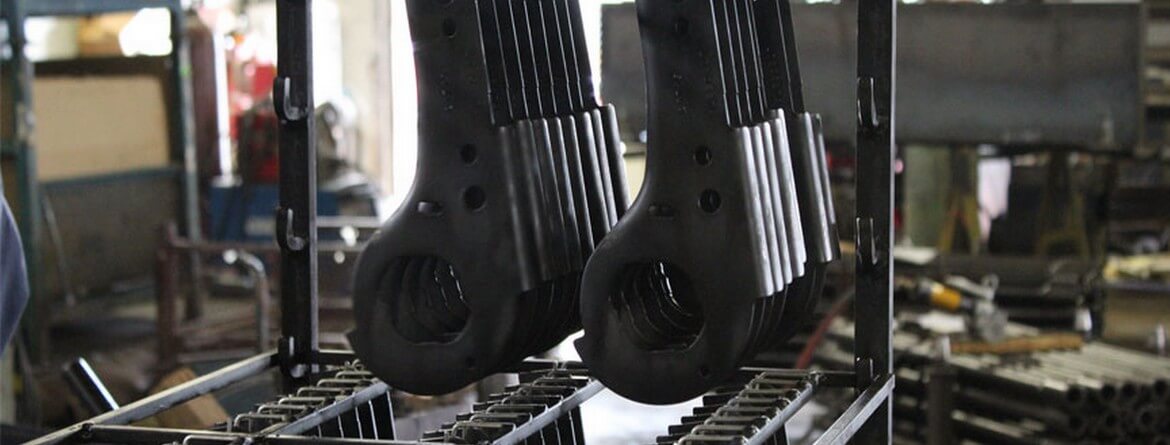
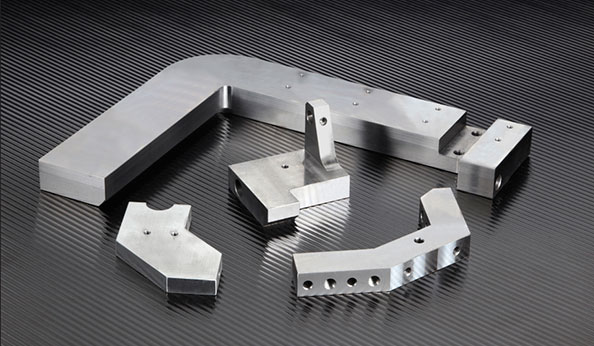
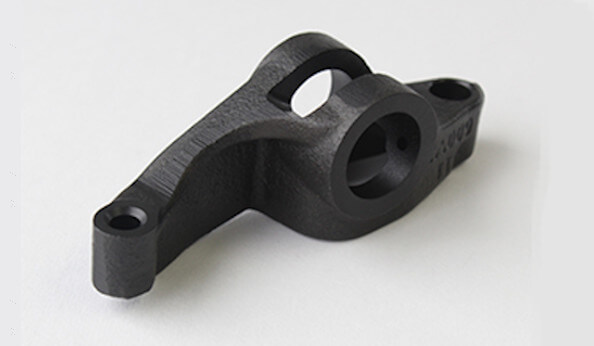
There are a wide range of applications for black oxide finishes. Black oxide coatings are used on machine-tool parts, power-tool parts, gages, instrument components, cutting tools, machine tools, machine parts, spark plugs, fire arms, springs, bearings, motor shafts, piston rings, motor parts, valves, fasteners, camera components, optical components and office equipment components. Black oxide is also currently being used in the manufacturing of printed circuit boards.
While black oxide finishes are not suitable for severe corrosion environments and can not replace phosphate coatings or plated finishes, except where lower corrosion resistance is allowed, it is a cost-effective process with aesthetic appeal for the proper application.
Applications for Black Oxide Coating!
- machine-tool parts
- power-tool parts
- gages
- cutting tools
- machine tools
- machine parts
- spark plugs
- fire arms
- springs
- instrument components
- bearings
- motor shafts
- piston rings
- motor parts
- valves
- fasteners
- camera components
- optical components
- office equipment
- printed circuit boards
To view the properties and benefits of black oxide click here.